
The science behind every test.
What each test measures, how it should be filmed, which reference values exist and how far the evidence goes. Written for health professionals, with links to the original studies.
Movement tests have been part of clinical practice for decades, but they are almost always judged by eye. 2D video analysis, and now markerless pose estimation on a smartphone, can turn them into measurements that can be compared between sides and over time. That is only worth something if we know what each number represents, how much error it carries and what the literature says about it.
Here we bring together, test by test, the evidence we used to build KINESTA: definitions, capture protocols, reference values, reliability and limitations. Every claim with a number has a source, and every source links to the original study.
- Every number has a source.Reference values come from published studies, together with the population and protocol in which they were obtained.
- Measuring is not predicting.Most screening tests do not reliably predict injury. They are for describing movement, comparing sides and tracking progress.
- 2D is a projection.Video measures angles projected onto a plane. It is useful and reproducible when capture is standardised, but it is not a 3D analysis.
- Only change larger than the error counts.Before crediting an improvement, compare it with the measurement error (SEM) and the minimal detectable change (MDC).
The tests
One article per test: what it measures, how to film it, reference values, reliability and clinical interpretation.
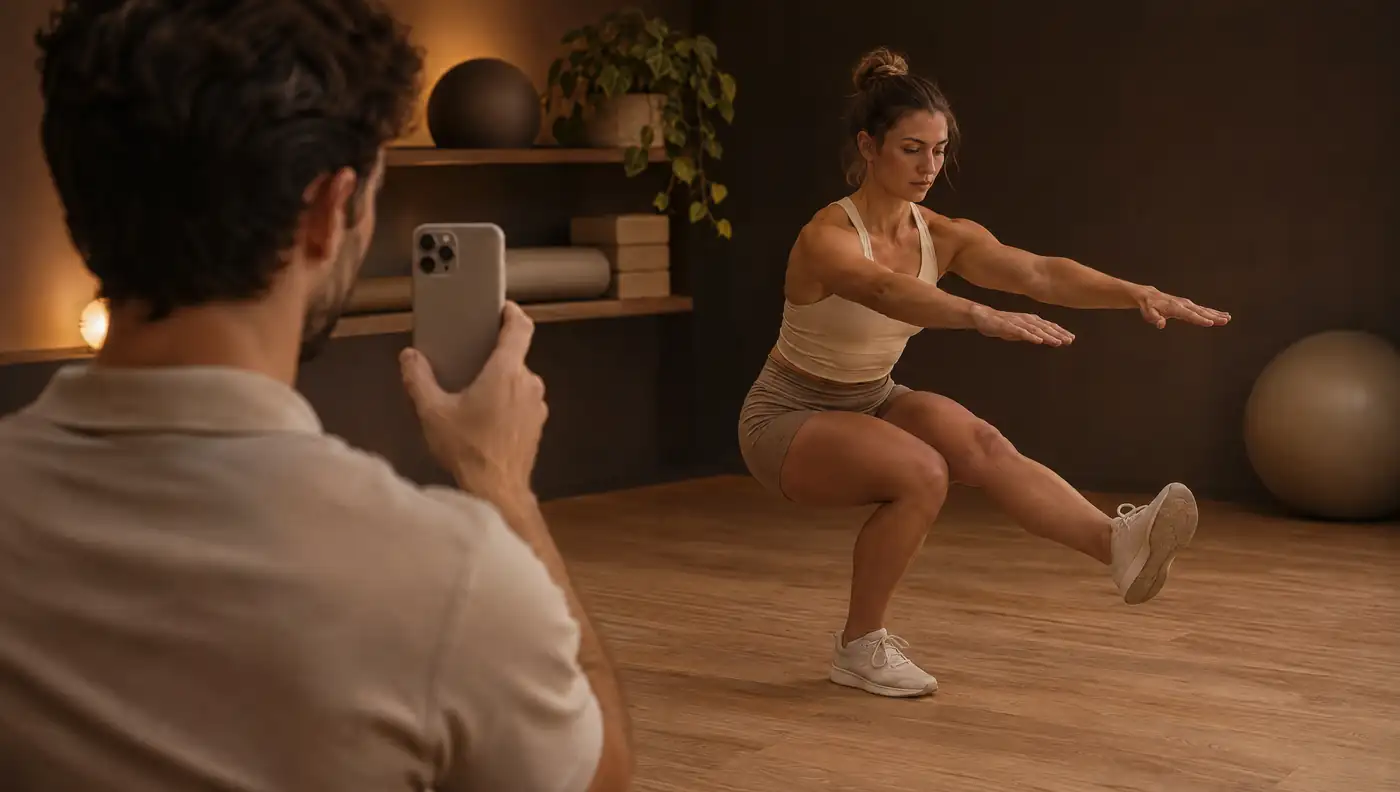
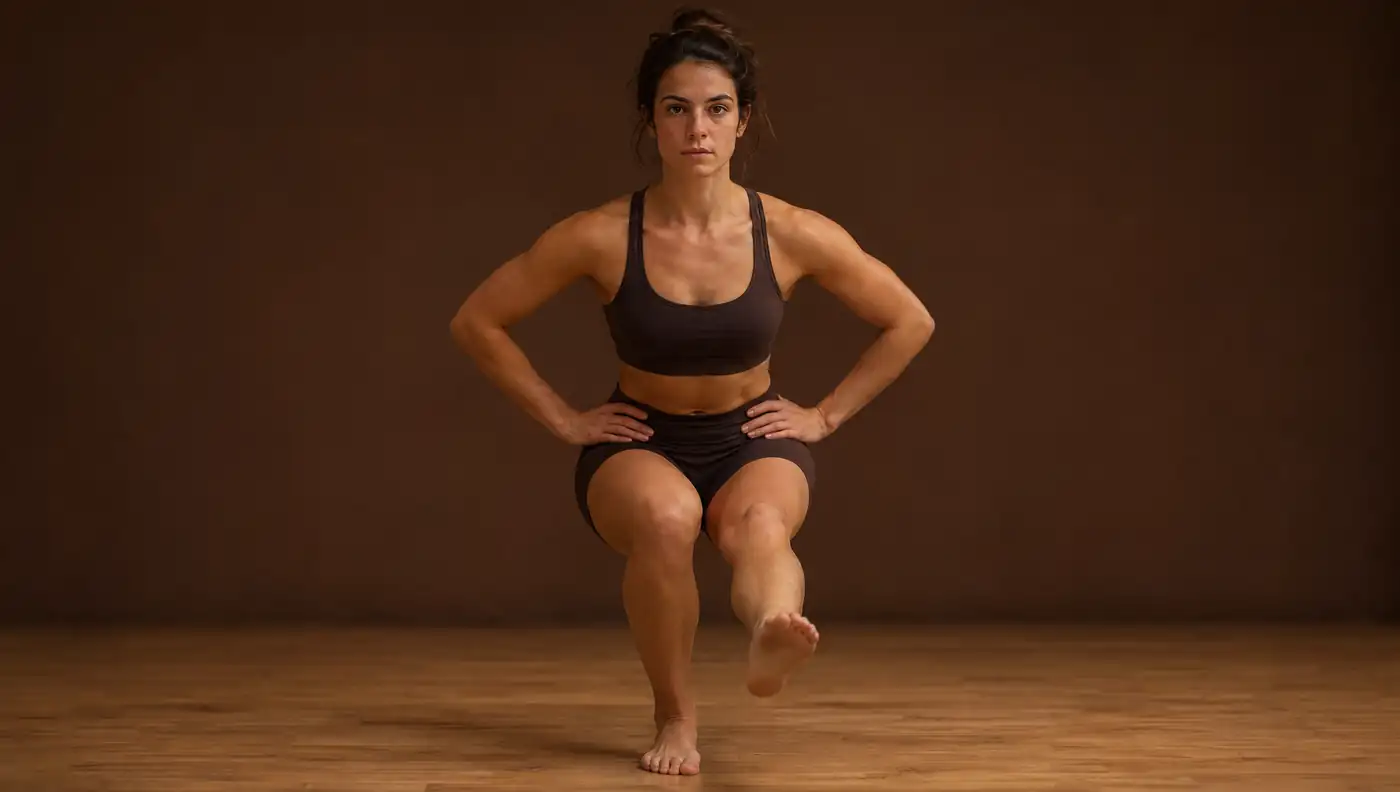 Test · Control testsSingle-leg squat: what to measure, how to film it and how to interpret itSingle-leg squat: FPPA, dynamic knee valgus, pelvic drop and patellofemoral pain. Standardised protocol, reference values and measurement error explained.
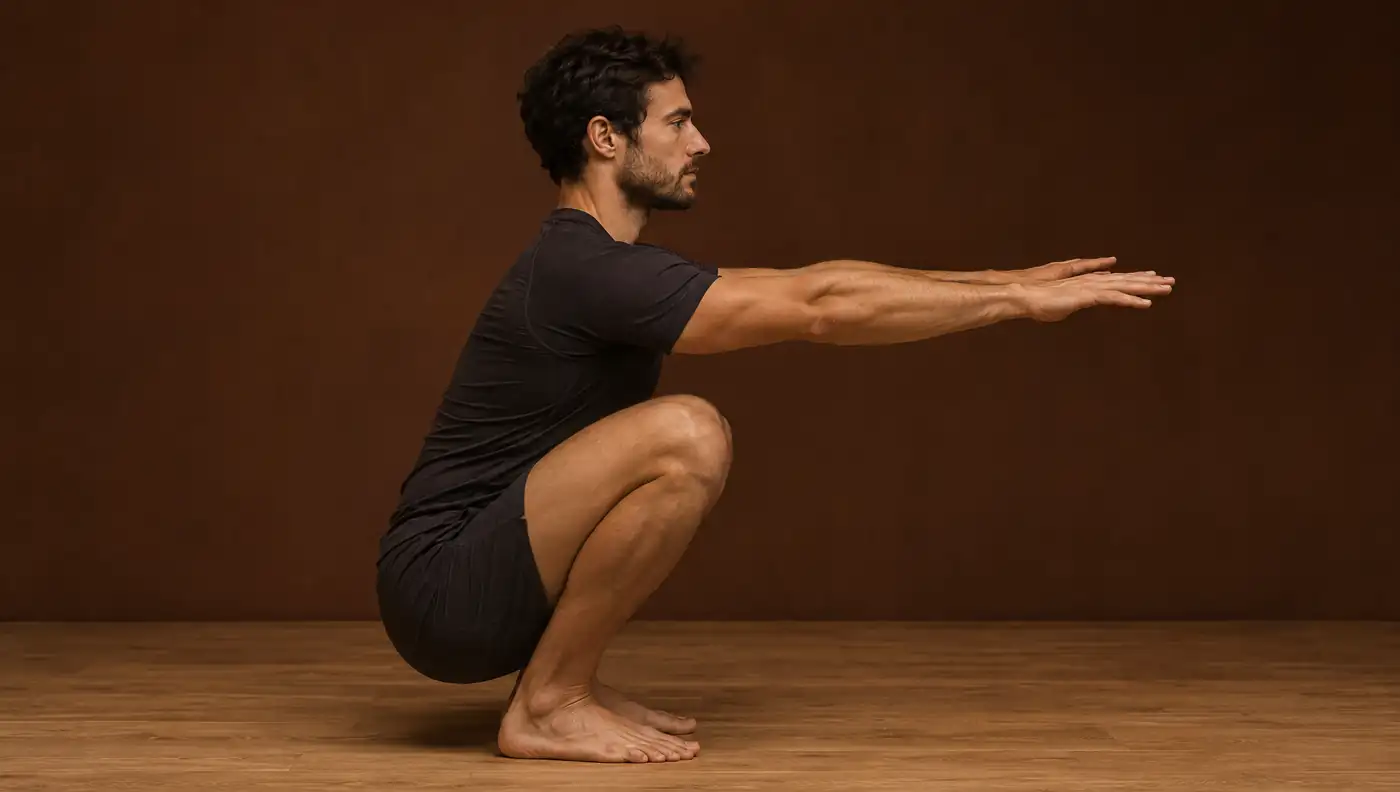 Test · Control testsDeep squat in lateral view: ankle, knee, hip and trunkDeep squat in lateral view: ankle dorsiflexion, weight-bearing lunge test, knee and hip flexion and trunk lean. Protocol, reference values and evidence.
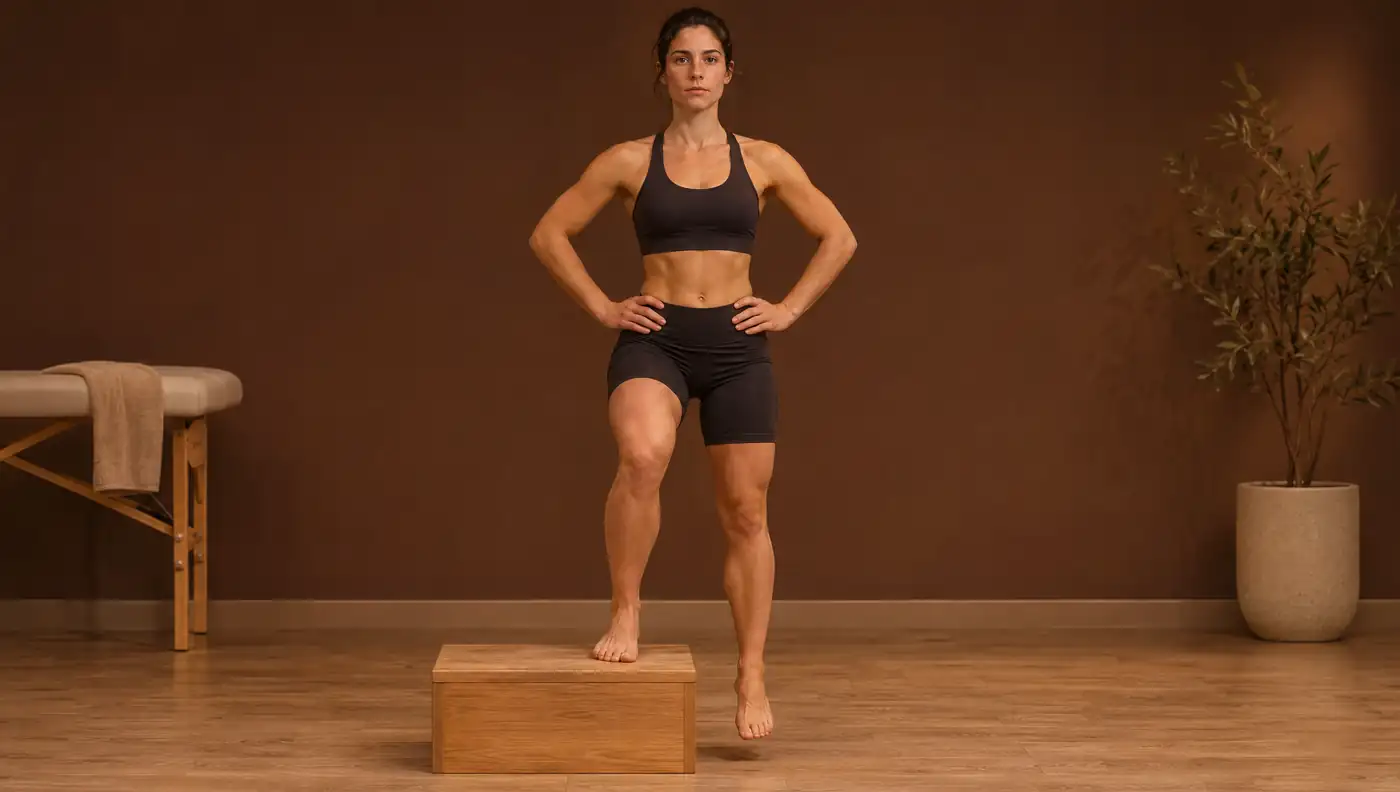 Test · High-demand testsLateral step-down: movement quality, FPPA and the role of the ankleLateral step-down test: 20 cm step, movement quality scale, FPPA, reliability and the role of ankle dorsiflexion in patellofemoral pain, with references.
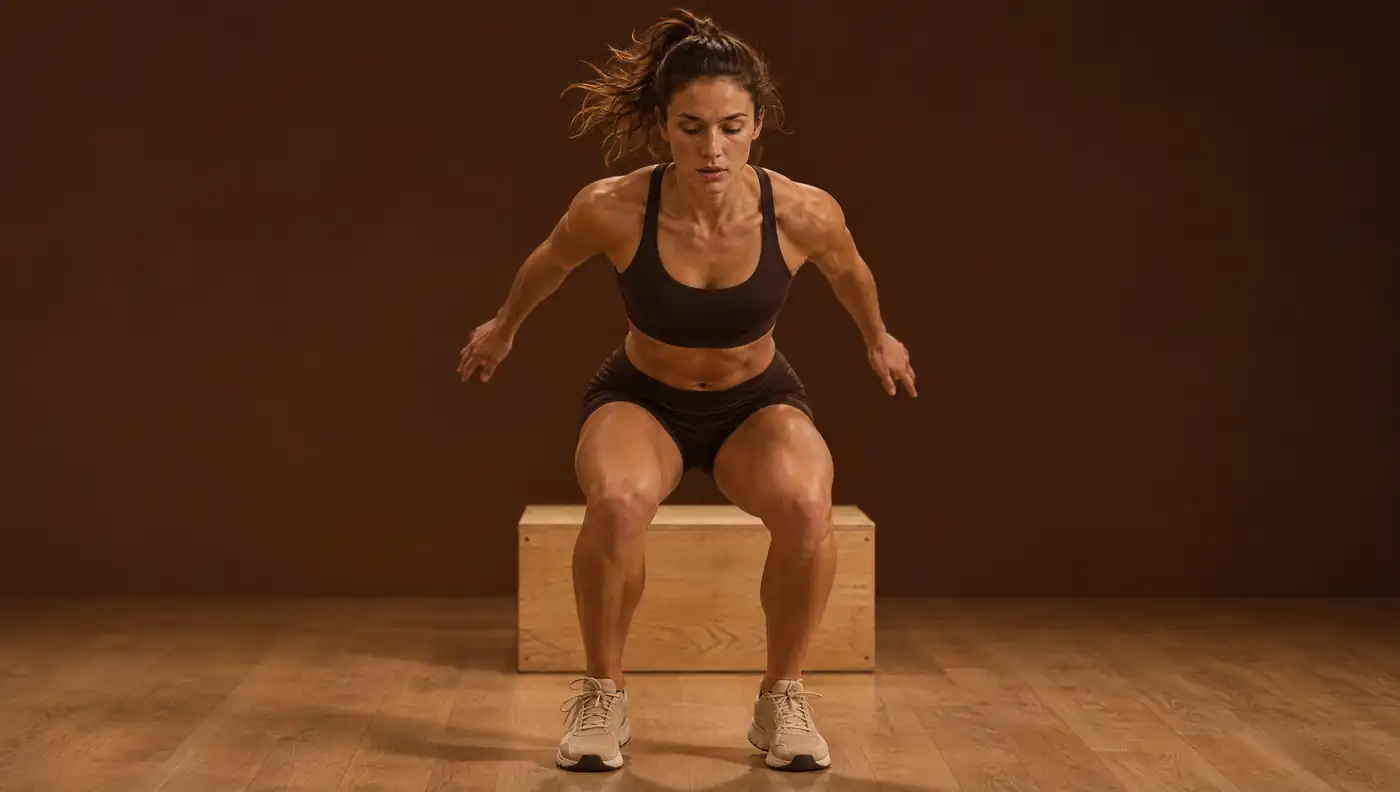 Test · High-demand testsDrop jump: dynamic knee valgus, KASR and RSI — what to measure, how to film and how to interpretDrop jump on 2D video: FPPA, KASR, contact time and RSI. Standardised protocol, reference values, measurement error and limits in predicting ACL injury.
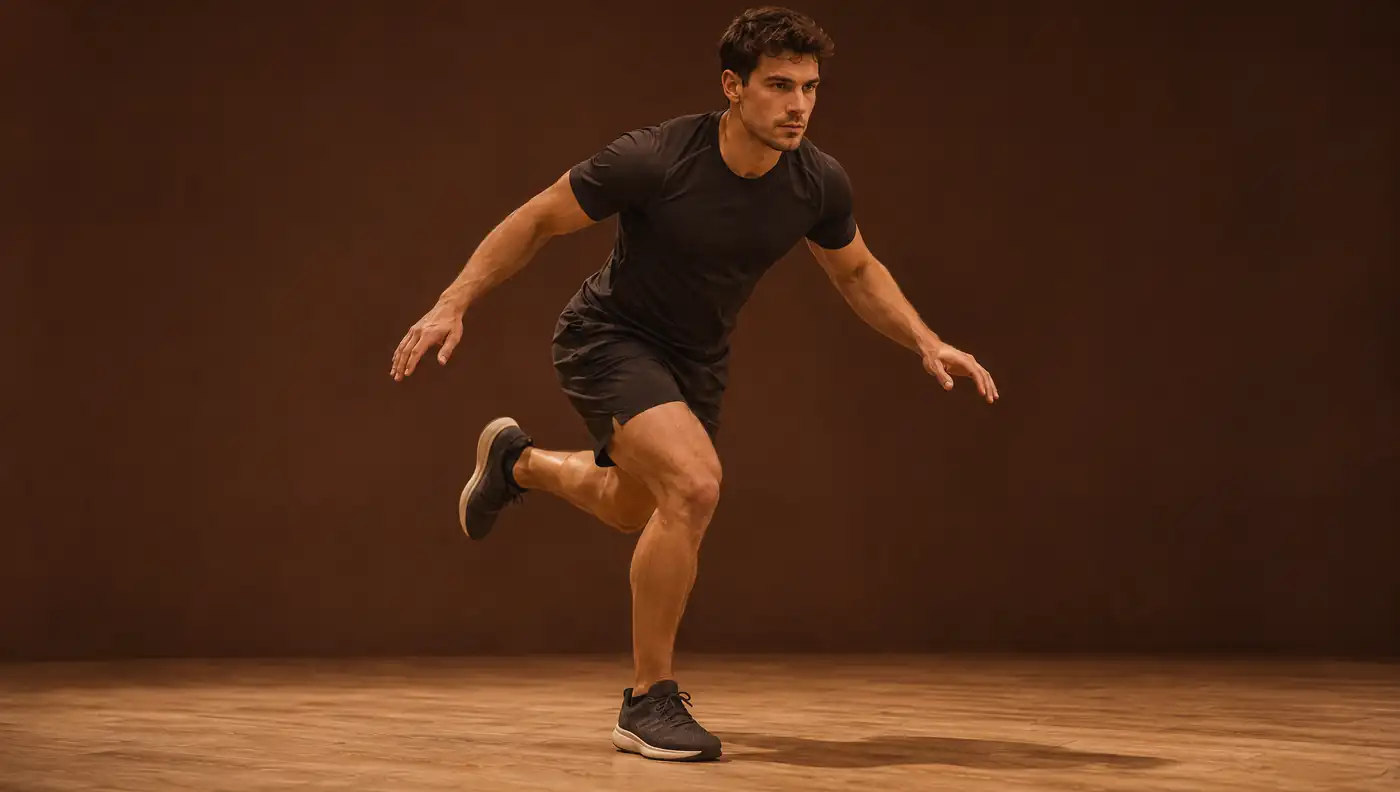 Test · High-demand testsHop and hold: time to stabilisation — protocol, values and interpretationHop and hold and time to stabilisation (TTS): protocol, values in chronic ankle instability, reliability, measurement error and limits for clinical practice.
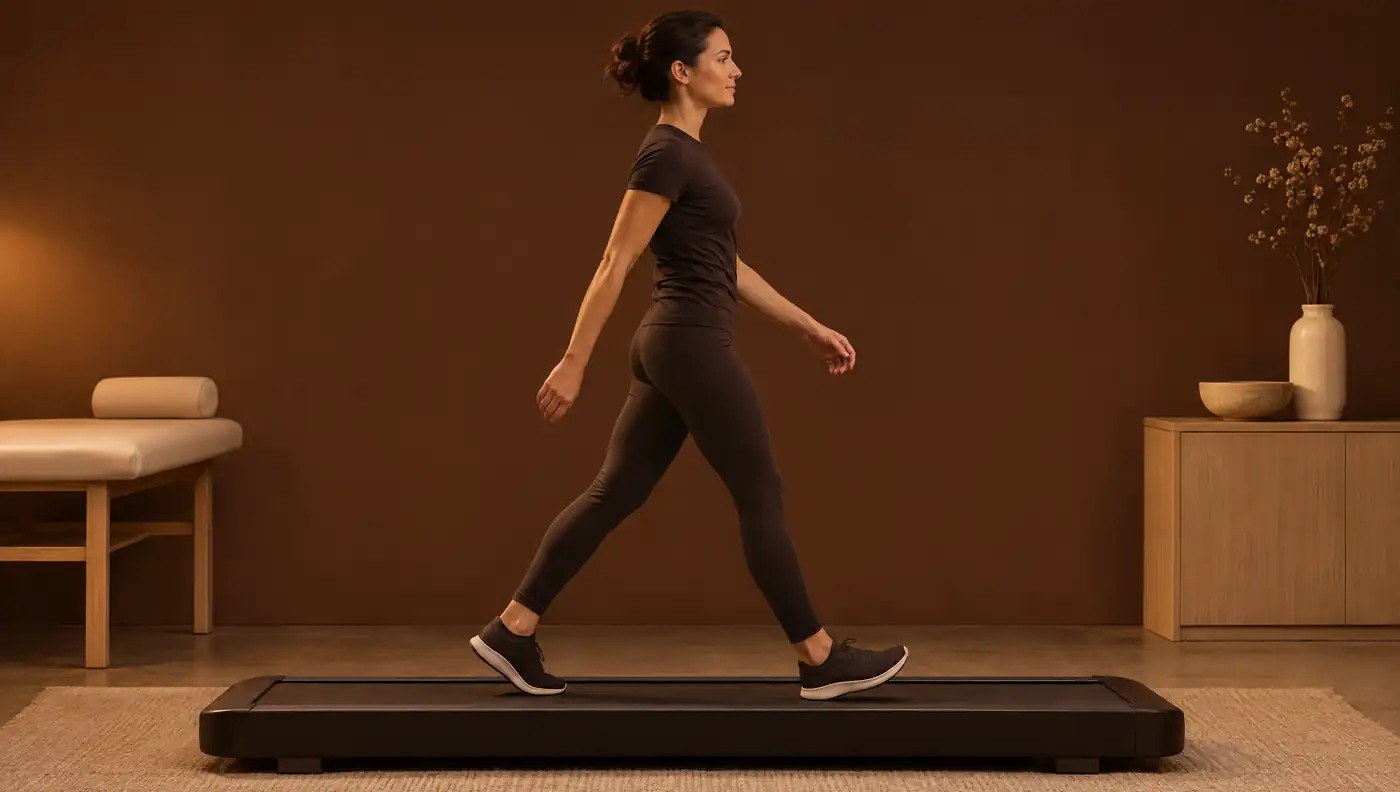 Test · TreadmillVideo gait analysis on the treadmill: what to measure, how to film and how to interpretVideo gait analysis on the treadmill: cadence, stance time, step length and joint angles from pose estimation, with measurement error and reference values.
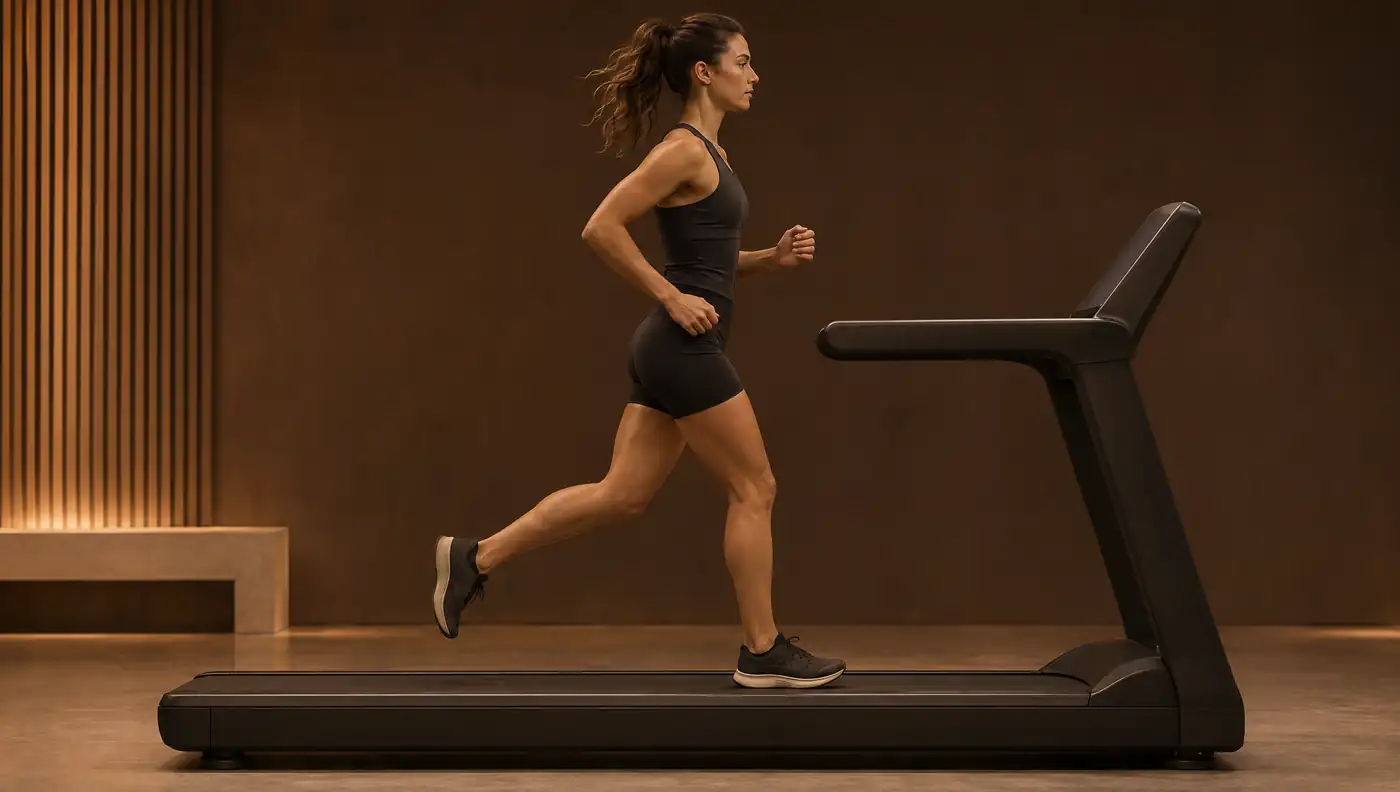 Test · TreadmillBiomechanical running analysis on the treadmill: cadence, overstride, pelvic drop and crossoverBiomechanical running analysis on 2D video: cadence, overstride, contralateral pelvic drop and crossover, with reference values, error and gait retraining.
 Test · SprintSprint technique and the S-MAS: how to film at 240 fps, score and interpretS-MAS (Sprint Mechanics Assessment Score): 12 sprint technique items scored on 240 fps video, reliability, categories and the link with hamstring injury.
 Test · Foot3D foot scanning with the iPhone: what it measures, how accurately and what we still do not know3D foot scanning with the iPhone: accuracy against reference methods, foot length, forefoot width, arch height and arch height index, and current limitations.
Foundations
What a smartphone can measure, with what error, and how to interpret the results without asking more of the tests than they can give.
 FoundationsSmartphone motion analysis: what 2D pose estimation measures, and with what errorValidity of smartphone and iPhone motion analysis: markerless pose estimation error by joint, 2D video vs 3D motion capture, and how to film tests well.
 FoundationsMeasurement error and reliability: how to tell whether a change is realICC, SEM and minimal detectable change (MDC) explained for clinicians: reliability, measurement error, Bland–Altman and when a change on retest is real.
 FoundationsInjury screening: why movement tests do not predict injuries — and what they are forACL injury screening with the drop jump and movement tests: sensitivity, specificity, AUC, and why profiling and monitoring matter more than prediction.
Measure these tests on iPhone.
1 week free on any plan. From €9.99 a month.
Educational content for health professionals. It does not replace clinical assessment or reading the original studies.